
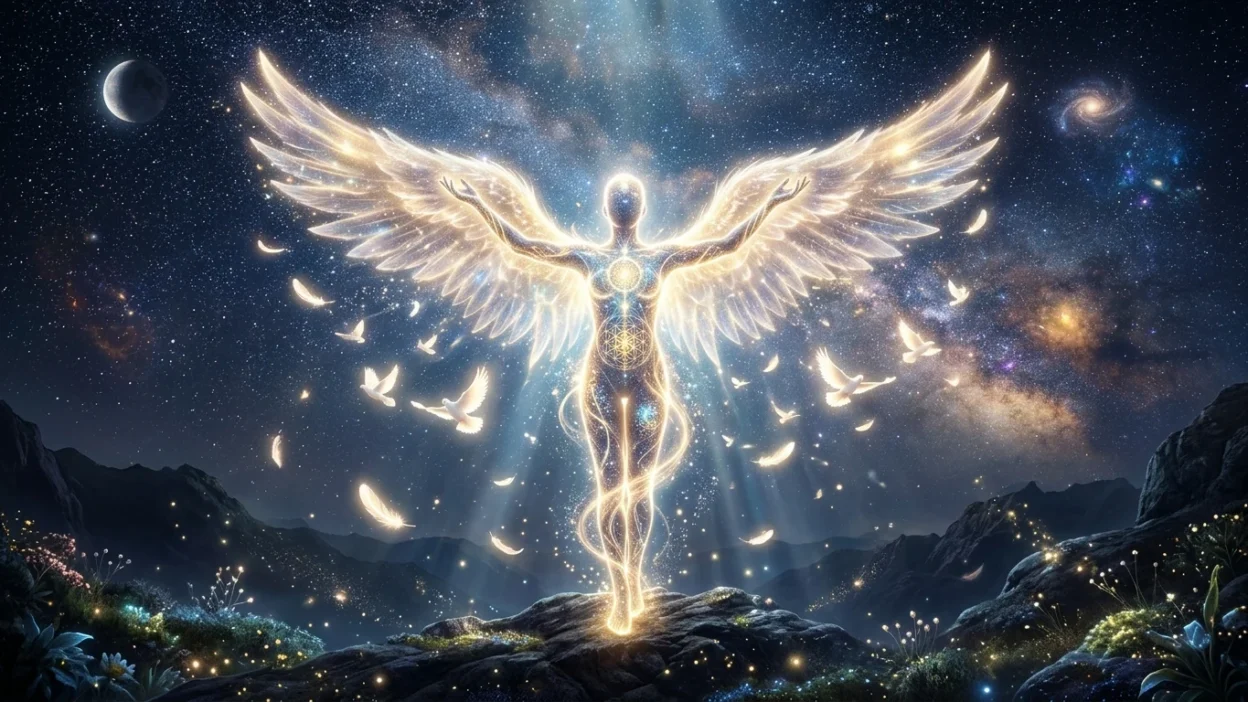
The soul has long been regarded as the deepest and most meaningful part of human existence. Across cultures, religions, and philosophies, soul symbolism represents life, identity, consciousness, inner truth, eternity, and spiritual connection. While the body changes over time, the soul is often believed to reflect a person’s true essence, values, and purpose.
Today, soul symbolism continues to inspire people seeking meaning, self-discovery, and spiritual growth. Whether explored through faith, meditation, literature, or art, the soul symbolizes the invisible part of ourselves that connects us to love, wisdom, compassion, and the greater mysteries of life.
Soul Symbolism Meaning (Clear Definition)
Soul symbolism refers to the spiritual, emotional, philosophical, and cultural meanings associated with the soul. More than an invisible life force, the soul symbolizes one’s true identity, inner self, consciousness, morality, and eternal nature.
Because the soul is often viewed as the essence of who we are, it represents authenticity, personal purpose, emotional depth, and the journey toward spiritual fulfillment.
What Does Soul Symbolism Represent?
The soul symbolizes many timeless qualities that define the human experience.
| Symbolic Meaning | What It Represents |
|---|---|
| Life | The essence of human existence |
| Identity | The true self beyond appearance |
| Spirituality | Connection with the divine |
| Wisdom | Inner understanding and truth |
| Love | Compassion and unconditional care |
| Purity | Sincerity and moral integrity |
| Eternity | Everlasting existence and hope |
| Transformation | Personal and spiritual growth |
Soul symbolism may also represent:
- Inner peace
- Faith
- Hope
- Compassion
- Purpose
- Enlightenment
- Self-discovery
- Emotional healing
Spiritual Meaning of Soul Symbolism
Spiritually, soul symbolism represents the eternal essence of a person and their connection with something greater than themselves. Many traditions teach that the soul carries wisdom, love, and purpose beyond the physical world.
The soul is often viewed as the source of compassion, forgiveness, intuition, and spiritual awakening. Caring for the soul through prayer, meditation, kindness, and gratitude is believed to bring inner peace and a deeper sense of fulfillment.
Spiritually, the soul may symbolize:
- Eternal life
- Divine connection
- Inner wisdom
- Spiritual awakening
- Compassion
- Peace
- Personal transformation
For many people, the soul serves as a reminder that true fulfillment comes from living with honesty, love, and purpose.
Biblical / Religious Meaning of Soul Symbolism
The soul holds central importance in the Bible and many religious traditions. Scripture often describes the soul as the eternal part of a person that belongs to God and reflects their deepest character. Believers are encouraged to care for their souls by living with faith, humility, compassion, and righteousness.
Many religions teach that the soul continues beyond physical life, emphasizing hope, accountability, and the promise of eternal existence. Although beliefs differ, the soul is widely regarded as sacred and deeply valuable.
Across faiths, soul symbolism represents life, spiritual devotion, moral integrity, and the enduring relationship between humanity and the divine.
Soul Symbolism in History and Culture
The soul has fascinated civilizations for thousands of years.
Ancient Egyptians believed the soul continued its journey after death and prepared elaborate burial traditions to honor its eternal existence.
Ancient Greek philosophers explored the soul as the center of reason, morality, and human identity.
Many Eastern traditions view the soul as part of an ongoing spiritual journey focused on growth, enlightenment, and inner harmony.
Indigenous cultures often regard the soul as deeply connected with nature, ancestors, and the spiritual world.
Today, the soul remains a universal symbol of identity, purpose, and the search for life’s deeper meaning.
Soul Symbolism in Literature and Art
In literature, the soul often symbolizes a character’s true nature, conscience, and emotional depth. Writers explore the soul to examine themes of love, sacrifice, redemption, forgiveness, and personal transformation.
A character searching for their soul may represent self-discovery or the desire to live authentically, while references to a wounded soul often symbolize emotional pain and healing.
Artists frequently portray the soul through radiant light, wings, doves, glowing figures, stars, or celestial landscapes to represent purity, hope, and spiritual transcendence.
Because the soul represents humanity’s deepest identity, it remains one of the most powerful symbols in storytelling and visual art.
Dream Meaning of Soul Symbolism
Dreaming about the soul often reflects spiritual growth, emotional awareness, or a search for deeper meaning.
Seeing a glowing soul in a dream may symbolize inner peace, wisdom, hope, or personal transformation.
Feeling connected to another soul can represent meaningful relationships, unconditional love, or emotional understanding.
Searching for your soul in a dream may suggest a desire for purpose, healing, or greater self-awareness.
A peaceful soul often symbolizes emotional balance, forgiveness, and spiritual fulfillment.
The emotions experienced during the dream provide important clues to its personal interpretation.
Modern Meaning of Soul Symbolism
Today, soul symbolism represents authenticity, emotional depth, and living with purpose.
A kind soul symbolizes compassion and generosity.
A strong soul represents resilience and courage.
An old soul reflects wisdom, maturity, and thoughtful understanding.
A free soul symbolizes independence, creativity, and embracing life’s journey.
A beautiful soul represents kindness, empathy, sincerity, and unconditional love.
In modern life, soul symbolism encourages people to remain true to themselves, nurture meaningful relationships, and pursue lives filled with purpose, gratitude, and compassion.
Frequently Asked Questions
What does soul symbolism mean?
Soul symbolism represents life, identity, spirituality, inner truth, wisdom, love, personal purpose, and eternal existence.
What does the soul symbolize spiritually?
Spiritually, the soul symbolizes divine connection, eternal life, inner wisdom, compassion, peace, spiritual awakening, and personal transformation.
Is the soul a symbol of eternal life?
Yes. Many religious and spiritual traditions view the soul as eternal, representing hope, faith, and life beyond the physical world.
What does having an old soul symbolize?
An old soul often symbolizes wisdom, emotional maturity, compassion, patience, and a deep understanding of life.
What does dreaming about the soul mean?
Dreaming about the soul usually represents spiritual growth, emotional healing, self-discovery, inner peace, or a search for life’s deeper purpose.
Conclusion
Soul symbolism reminds us that our true value extends far beyond physical appearance or material success. Throughout history, the soul has represented love, wisdom, compassion, purpose, and the eternal essence of who we are. It encourages us to live with authenticity, nurture meaningful relationships, and seek deeper understanding through kindness, faith, and personal growth. By caring for the soul, we strengthen the qualities that bring lasting fulfillment and inner peace.
Understanding soul symbolism also reveals why it remains one of humanity’s most treasured spiritual concepts. Across cultures, religions, literature, and philosophy, the soul continues to symbolize hope, resilience, and the enduring connection between humanity and something greater than itself. Whether viewed as the center of consciousness or the eternal essence of life, the soul inspires us to live with integrity, gratitude, and compassion every day.