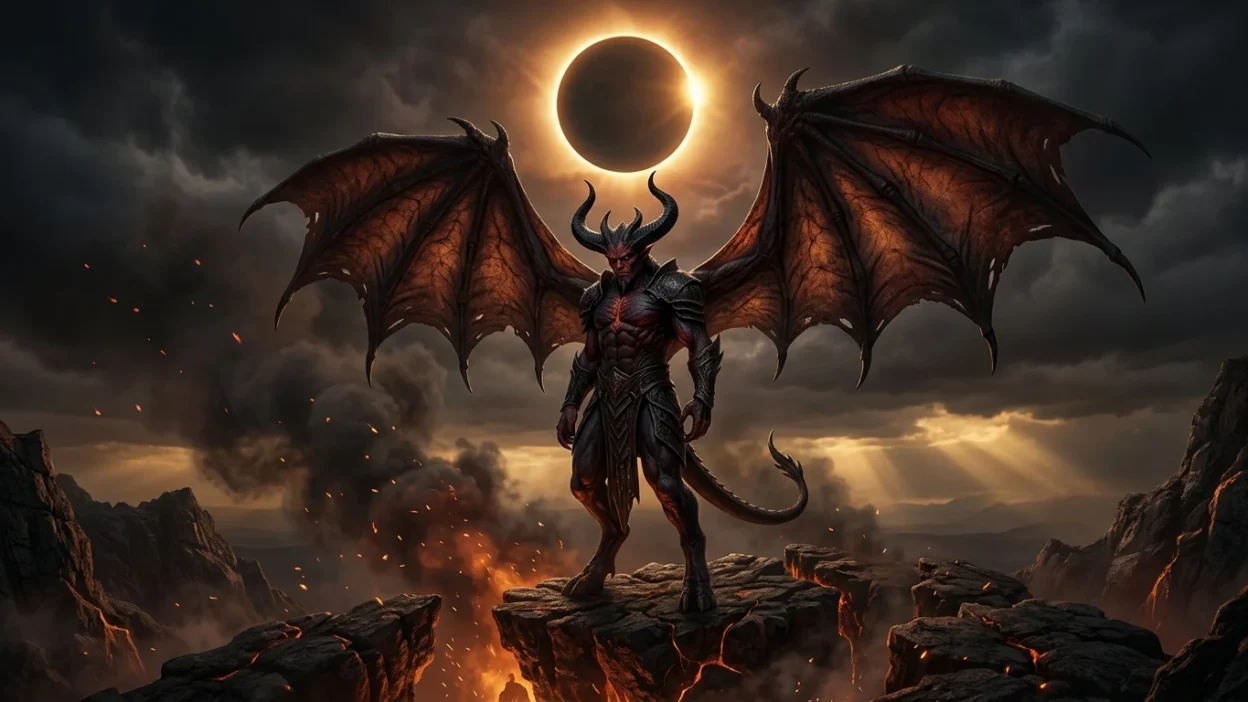
Demons have been powerful symbols throughout history, representing temptation, fear, inner struggles, chaos, and the darker aspects of human nature. Across religions, mythology, folklore, and literature, demon symbolism often serves as a reminder of the challenges people face within themselves and the importance of overcoming destructive thoughts, habits, and influences. Rather than being understood only as supernatural beings, demons frequently symbolize emotional battles, personal weaknesses, and life’s moral tests.
Today, demon symbolism appears in art, literature, films, dreams, tattoos, and popular culture. While interpretations vary across traditions, demons commonly represent conflict, transformation, resilience, and the ongoing struggle between destructive impulses and positive personal growth.
Demon Symbolism Meaning (Clear Definition)
Demon symbolism refers to the spiritual, cultural, psychological, and literary meanings associated with demons. Beyond frightening imagery, demons often symbolize temptation, fear, anger, addiction, inner conflict, deception, and emotional struggles.
Because demons are commonly portrayed as forces that challenge individuals, they have become symbols of the obstacles people must overcome to achieve wisdom, healing, and personal transformation.
What Does Demon Symbolism Represent?
Demons represent several symbolic themes found throughout cultures and history.
| Symbolic Meaning | What It Represents |
|---|---|
| Temptation | Harmful desires and difficult choices |
| Fear | Emotional or psychological challenges |
| Inner Conflict | Personal struggles and self-doubt |
| Chaos | Disorder and uncertainty |
| Deception | Hidden dangers and dishonesty |
| Transformation | Growth through overcoming adversity |
| Strength | Building resilience after hardship |
| Awareness | Recognizing personal weaknesses |
Demon symbolism may also represent:
- Emotional healing
- Self-control
- Courage
- Personal responsibility
- Resilience
- Shadow self
- Moral choices
- Self-discovery
Spiritual Meaning of Demon Symbolism
Spiritually, demon symbolism often represents the internal struggles that test a person’s character, faith, and resilience. Many traditions interpret demons as symbols of temptation, fear, pride, anger, greed, or other destructive influences that individuals must overcome.
Rather than encouraging fear, spiritual interpretations frequently emphasize awareness, self-discipline, and personal growth. Facing symbolic “demons” can represent confronting unhealthy habits, negative thinking, or emotional wounds in order to move toward healing and inner peace.
Spiritually, demons may symbolize:
- Temptation
- Spiritual testing
- Emotional struggles
- Self-awareness
- Inner strength
- Personal transformation
- Redemption
For many people, demon symbolism serves as a reminder that true growth often comes from confronting life’s greatest challenges with courage and wisdom.
Biblical / Religious Meaning of Demon Symbolism
In the Bible, demons are generally portrayed as spiritual beings associated with opposition to God and influences that lead people away from righteousness. Scripture emphasizes faith, prayer, wisdom, and obedience rather than fear, encouraging believers to rely on God’s strength when facing spiritual challenges.
Many other religious traditions also include beings that symbolize disorder, temptation, or negative influences, although their interpretations vary significantly.
Across religions, demon symbolism commonly highlights the importance of moral responsibility, faith, perseverance, and choosing good over destructive influences.
Demon Symbolism in History and Culture
Demons have appeared in myths and folklore around the world for thousands of years.
Ancient civilizations often used demons to explain natural disasters, illness, or unexplained events before scientific understanding developed.
In medieval Europe, demons frequently appeared in religious art as symbols warning against pride, greed, dishonesty, and moral corruption.
Many Asian cultures include demon figures that symbolize obstacles, imbalance, or life’s challenges, while some traditions portray them as beings capable of transformation or redemption.
Today, demon symbolism continues to represent humanity’s fascination with the struggle between light and darkness, virtue and temptation.
Demon Symbolism in Literature and Art
In literature, demons often symbolize inner fears, guilt, ambition, revenge, or the darker side of human nature. Writers use demonic figures to explore morality, freedom, temptation, redemption, and personal transformation.
Artists frequently portray demons using dramatic imagery such as shadows, fire, horns, wings, or abstract dark forms. These artistic representations usually emphasize emotional conflict rather than literal beings.
Modern stories often use demons as metaphors for addiction, trauma, anxiety, or the internal battles that people face throughout life.
Because demons symbolize conflict and transformation, they remain powerful figures in literature and visual art.
Dream Meaning of Demon Symbolism
Dreaming about a demon often reflects emotional struggles, fears, guilt, stress, or unresolved conflicts rather than predicting future events.
Being chased by a demon may symbolize avoiding a difficult situation or confronting personal fears.
Talking to a demon in a dream can represent facing unhealthy habits, emotional wounds, or important life choices.
Defeating a demon often symbolizes overcoming adversity, breaking negative patterns, and gaining personal strength.
A peaceful or non-threatening demon may represent accepting hidden parts of yourself or understanding emotions you have previously ignored.
The emotions experienced during the dream provide the most important clues for interpreting its personal meaning.
Modern Meaning of Demon Symbolism
Today, demon symbolism is often used to represent personal struggles rather than supernatural beliefs.
People commonly describe anxiety, addiction, trauma, or painful memories as their “inner demons.”
Demon tattoos may symbolize overcoming hardship, resilience, courage, or embracing personal transformation.
In movies and games, demons often represent powerful challenges that heroes must overcome to grow stronger.
Modern demon symbolism encourages self-awareness, emotional healing, perseverance, and the determination to overcome life’s obstacles.
Frequently Asked Questions
What does demon symbolism mean?
Demon symbolism represents temptation, fear, inner conflict, emotional struggles, personal transformation, resilience, and self-awareness.
What do demons symbolize spiritually?
Spiritually, demons symbolize temptation, spiritual testing, emotional challenges, personal growth, and the need for wisdom and self-discipline.
Do demons always symbolize evil?
No. In symbolic interpretations, demons can represent internal struggles, fears, destructive habits, or challenges that ultimately lead to personal growth and transformation.
What does dreaming about a demon mean?
Dreaming about a demon often represents unresolved fears, emotional conflict, stress, temptation, or the need to confront personal challenges.
Why are demons important symbols?
Demons symbolize the obstacles people face in life, reminding us that courage, self-control, faith, and perseverance can help overcome even the most difficult struggles.
Conclusion
Demon symbolism has remained meaningful throughout history because it reflects the universal experience of facing fear, temptation, and personal challenges. Rather than representing darkness alone, demons often symbolize the internal struggles that shape our character and encourage growth through resilience and self-awareness. By confronting these symbolic obstacles, individuals can develop greater wisdom, emotional strength, and a deeper understanding of themselves.
Understanding demon symbolism also reveals why it continues to appear in religion, mythology, literature, art, and modern culture. Whether interpreted as a warning against destructive influences or a metaphor for life’s inner battles, demons remind us that every challenge presents an opportunity for transformation. Their enduring symbolism encourages courage, integrity, and the determination to rise above adversity while pursuing a life guided by purpose and positive choices.

Hazel Evermont is an SEO copywriter who enjoys creating engaging online content that is both informative and easy to navigate. She focuses on delivering articles that prioritize user experience while following current search optimization standards. Her writing style is clear, concise, and reader-friendly.