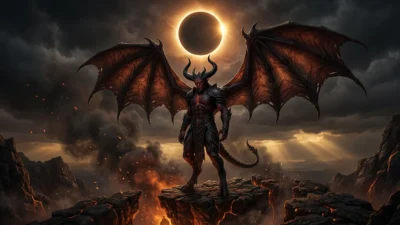
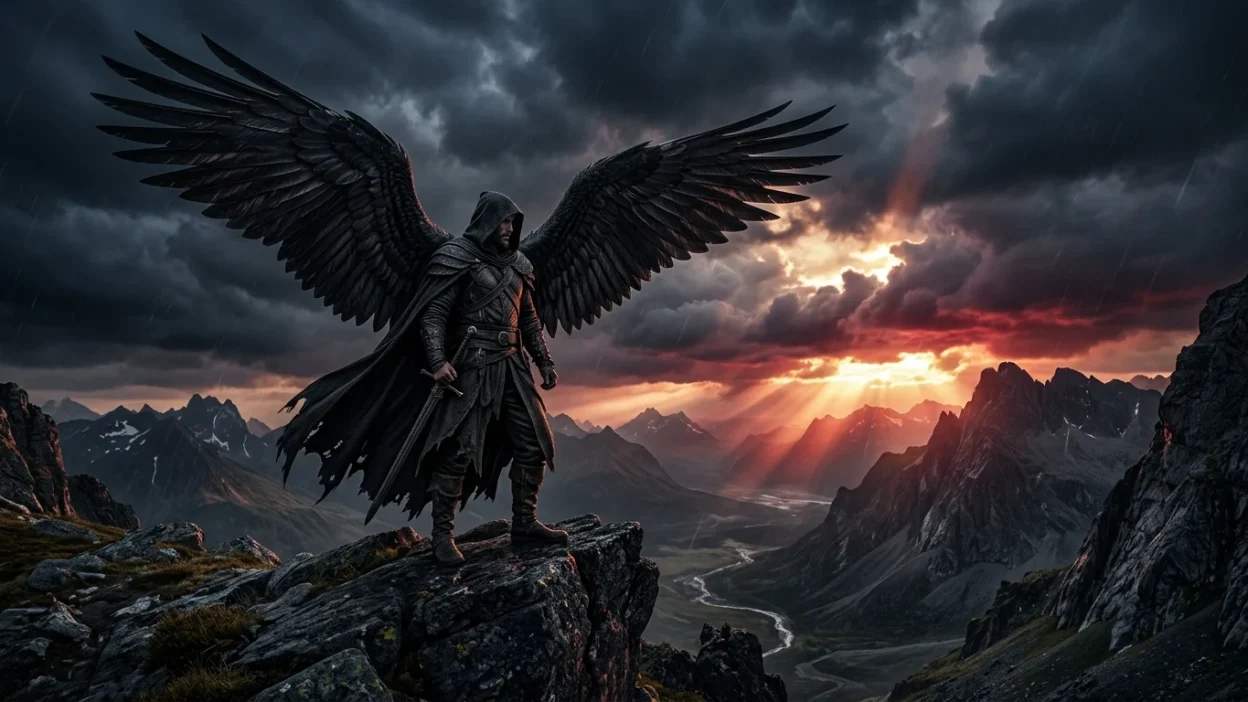
The devil is one of history’s most recognizable and complex symbols. Rather than representing only evil, devil symbolism often reflects temptation, inner conflict, fear, pride, deception, and the struggle between right and wrong. Across religions, cultures, literature, and psychology, the devil serves as a symbolic reminder of the choices people face and the consequences that can follow those decisions.
Today, devil symbolism appears in art, movies, literature, tattoos, dreams, and popular culture. While its interpretation varies, the devil is frequently understood as a symbol of personal challenges, moral testing, self-control, and transformation through overcoming adversity.
Devil Symbolism Meaning (Clear Definition)
Devil symbolism refers to the spiritual, cultural, psychological, and literary meanings associated with the devil. Beyond representing evil, the devil often symbolizes temptation, deception, rebellion, pride, fear, inner struggles, and the consequences of harmful choices.
Because the devil is commonly portrayed as an opposing force to goodness, the symbol encourages reflection on morality, responsibility, and the importance of making wise decisions.
What Does Devil Symbolism Represent?
The devil represents several powerful symbolic themes found throughout history.
| Symbolic Meaning | What It Represents |
|---|---|
| Temptation | The attraction of harmful choices |
| Inner Conflict | The struggle between right and wrong |
| Deception | Lies and hidden intentions |
| Pride | Excessive ego and arrogance |
| Fear | Emotional and spiritual challenges |
| Rebellion | Rejecting rules or authority |
| Transformation | Growth through overcoming adversity |
| Free Will | The power to choose one’s path |
Devil symbolism may also represent:
- Moral testing
- Self-control
- Consequences
- Personal responsibility
- Hidden desires
- Emotional struggles
- Awareness
- Redemption
Spiritual Meaning of Devil Symbolism
Spiritually, devil symbolism often represents the challenges that test a person’s character, faith, and integrity. Many traditions interpret the devil as a symbol of temptation rather than simply fear, reminding individuals to resist destructive influences and remain committed to their values.
The symbol also encourages self-awareness by highlighting internal struggles such as anger, greed, jealousy, or dishonesty. Overcoming these challenges is often viewed as an important step toward personal and spiritual growth.
Spiritually, the devil may symbolize:
- Temptation
- Spiritual testing
- Inner conflict
- Self-discipline
- Moral choices
- Personal growth
- Redemption
For many people, devil symbolism serves as a reminder that every challenge presents an opportunity to grow stronger and wiser.
Biblical / Religious Meaning of Devil Symbolism
In the Bible, the devil is commonly portrayed as a tempter and deceiver who seeks to draw people away from God through falsehood and disobedience. Scripture emphasizes resisting temptation, remaining faithful, and trusting God’s guidance rather than giving in to destructive influences.
In Christianity, the devil symbolizes opposition to righteousness and truth. Other religious traditions also include figures that represent temptation, chaos, or moral challenges, although their interpretations may differ.
Across many faiths, devil symbolism highlights the importance of faith, wisdom, humility, and choosing good over evil.
Devil Symbolism in History and Culture
The devil has appeared in myths, folklore, and religious traditions for centuries.
Medieval artwork often depicted the devil as a warning against greed, pride, dishonesty, and injustice.
European folklore portrayed the devil as a clever trickster who tempted individuals with power or wealth in exchange for moral compromise.
In modern culture, devil imagery is frequently used to symbolize rebellion, danger, ambition, or the conflict between desire and responsibility.
Today, devil symbolism continues to represent the human struggle with difficult choices and ethical challenges.
Devil Symbolism in Literature and Art
In literature, the devil often symbolizes temptation, ambition, corruption, or the consequences of unchecked desires. Writers use devil-like characters to explore themes of morality, freedom, justice, and redemption.
Artists portray the devil in many forms, ranging from traditional horned figures to abstract representations of darkness, fire, shadows, or internal conflict. These images often represent emotional struggles rather than literal beings.
Because the devil symbolizes the tension between virtue and temptation, it remains one of the most enduring figures in storytelling and visual art.
Dream Meaning of Devil Symbolism
Dreaming about the devil often symbolizes internal struggles, fear, temptation, guilt, or unresolved emotions rather than predicting future events.
Seeing the devil in a dream may represent a difficult decision or a situation that tests your values.
Talking to the devil can symbolize confronting fears, unhealthy habits, or emotional conflicts that require attention.
Escaping from the devil may represent overcoming challenges, resisting temptation, or moving toward positive change.
Defeating the devil often symbolizes personal growth, resilience, renewed confidence, or victory over negative influences.
The emotions experienced during the dream are the most important clues for understanding its personal meaning.
Modern Meaning of Devil Symbolism
Today, devil symbolism is often used to represent personal struggles and life’s difficult choices.
A devil figure may symbolize temptation or risky behavior.
A devil tattoo can represent rebellion, resilience, individuality, or overcoming adversity, depending on personal meaning.
In popular culture, devil imagery often explores themes of power, freedom, ambition, and moral conflict.
The symbol also reminds people that every decision has consequences and that personal responsibility plays an important role in shaping the future.
Modern devil symbolism encourages self-reflection, resilience, and the strength to choose integrity over harmful influences.
Frequently Asked Questions
What does devil symbolism mean?
Devil symbolism represents temptation, deception, inner conflict, pride, fear, moral testing, and the importance of personal responsibility.
What does the devil symbolize spiritually?
Spiritually, the devil symbolizes temptation, self-discipline, moral challenges, spiritual testing, and the opportunity for personal growth through wise choices.
Does devil symbolism always represent evil?
No. While often associated with evil, devil symbolism can also represent inner struggles, temptation, personal transformation, and learning from difficult experiences.
What does dreaming about the devil mean?
Dreaming about the devil usually symbolizes fear, temptation, emotional conflict, difficult decisions, or the need to confront unhealthy habits or unresolved issues.
Why is the devil an important symbol?
The devil symbolizes the ongoing struggle between right and wrong, reminding people of the importance of integrity, self-control, and thoughtful decision-making.
Conclusion
Devil symbolism has remained significant throughout history because it reflects the universal human experience of facing temptation, overcoming adversity, and making meaningful choices. Rather than representing fear alone, the devil often symbolizes the internal conflicts that challenge our values, test our character, and encourage personal growth. By recognizing these symbolic lessons, we gain a deeper understanding of responsibility, resilience, and the importance of acting with wisdom and integrity.
Understanding devil symbolism also highlights its role in religion, literature, psychology, and modern culture. Whether viewed as a warning against harmful influences or a reminder of humanity’s ability to overcome challenges, the devil remains a powerful symbol of choice, transformation, and self-awareness. Its enduring message encourages us to learn from our struggles, strengthen our character, and pursue lives guided by honesty, courage, and purpose.