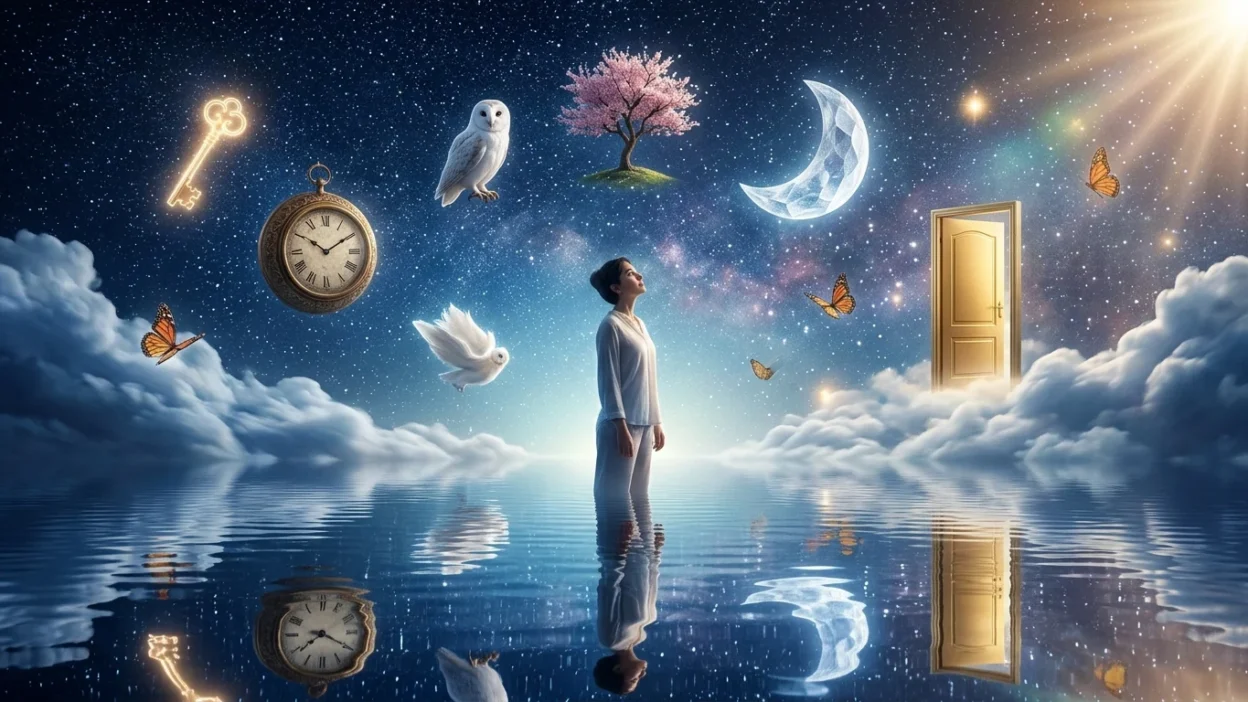
Nightmares have intrigued and unsettled people for centuries, often leaving a lasting emotional impact long after waking. While frightening dreams can feel intensely real, nightmare symbolism is commonly understood as a reflection of the subconscious mind, emotional stress, unresolved fears, or significant life changes. Rather than predicting future events, nightmares frequently symbolize inner struggles, personal challenges, and emotions that deserve attention and healing.
Today, nightmare symbolism is explored through psychology, spirituality, religion, and personal reflection. Whether a nightmare involves falling, being chased, darkness, monsters, or other unsettling images, these dreams often encourage individuals to confront fears, process emotions, and move toward emotional resilience and personal growth.
Nightmare Symbolism Meaning (Clear Definition)
Nightmare symbolism refers to the symbolic meanings behind disturbing or frightening dreams. Instead of being taken literally, nightmares often represent hidden fears, anxiety, emotional conflict, stress, unresolved memories, or difficult life situations that the subconscious mind is processing.
Because each person has unique experiences, the meaning of a nightmare depends on its symbols, emotions, and personal context.
What Does Nightmare Symbolism Represent?
Nightmare symbolism represents many emotional and psychological themes that encourage self-awareness.
| Symbolic Meaning | What It Represents |
|---|---|
| Fear | Hidden worries and anxieties |
| Emotional Stress | Mental or emotional pressure |
| Inner Conflict | Personal struggles and uncertainty |
| Transformation | Growth through overcoming challenges |
| Healing | Processing unresolved emotions |
| Warning | Paying attention to neglected issues |
| Resilience | Strength developed through adversity |
| Self-Awareness | Understanding your emotions |
Nightmare symbolism may also represent:
- Personal growth
- Emotional release
- Change
- Reflection
- Courage
- Recovery
- Mindfulness
- Inner strength
Spiritual Meaning of Nightmare Symbolism
Spiritually, nightmare symbolism is often interpreted as an invitation to examine your inner life, confront fears, and strengthen emotional and spiritual resilience. Many traditions view disturbing dreams as opportunities for reflection rather than reasons for fear.
A nightmare may symbolize unresolved emotions, spiritual struggles, guilt, or the need to let go of unhealthy habits and negative thinking. In many spiritual perspectives, facing symbolic darkness represents an opportunity to develop wisdom, compassion, and inner strength.
Spiritually, nightmare symbolism may represent:
- Spiritual awakening
- Emotional healing
- Inner transformation
- Self-reflection
- Courage
- Personal growth
- Renewed hope
For many people, nightmares become meaningful reminders that personal growth often begins by facing life’s most difficult emotions.
Biblical / Religious Meaning of Nightmare Symbolism
The Bible records dreams that carried important messages for specific individuals, but it does not teach that every frightening dream has a divine or supernatural meaning. Many biblical passages encourage believers to respond to fear with faith, wisdom, prayer, and trust in God rather than becoming overwhelmed by frightening experiences.
Other religious traditions also encourage thoughtful reflection on disturbing dreams while emphasizing spiritual growth, self-examination, and moral living.
Across many faiths, nightmare symbolism often highlights the importance of courage, discernment, hope, and perseverance during difficult seasons of life.
Nightmare Symbolism in History and Culture
Nightmares have appeared in myths and folklore throughout history.
Ancient civilizations often believed frightening dreams carried warnings or reflected unseen spiritual forces.
Medieval folklore sometimes connected nightmares with supernatural beings or mysterious nighttime experiences.
As knowledge of psychology developed, many scholars began viewing nightmares as expressions of emotional stress, trauma, anxiety, and subconscious processing.
Today, nightmare symbolism continues to represent humanity’s efforts to understand fear, healing, resilience, and emotional well-being.
Nightmare Symbolism in Literature and Art
In literature, nightmares often symbolize guilt, fear, trauma, emotional conflict, or dramatic personal transformation. Writers use nightmares to reveal a character’s hidden emotions, internal struggles, or unresolved past experiences.
Artists frequently portray nightmare symbolism through shadowy landscapes, dark forests, storms, broken mirrors, surreal architecture, mysterious creatures, and dramatic contrasts between light and darkness.
Because nightmares explore the deepest fears of the human mind, they remain powerful themes in novels, films, paintings, and modern visual art.
Dream Meaning of Nightmare Symbolism
Dreaming about a nightmare or repeatedly experiencing frightening dreams often reflects emotional stress, unresolved fears, or important life changes.
Being chased in a nightmare may symbolize avoiding a difficult situation or emotion.
Falling during a nightmare can represent insecurity, uncertainty, or feeling overwhelmed.
Dark figures or monsters often symbolize fears, emotional burdens, or challenges rather than literal dangers.
Escaping or overcoming a nightmare may represent resilience, healing, confidence, and personal growth.
The emotions experienced during the dream provide the most valuable clues for understanding its personal meaning.
Modern Meaning of Nightmare Symbolism
Today, nightmare symbolism represents emotional awareness and psychological healing.
Nightmares symbolize stress and unresolved emotions.
They represent opportunities for self-reflection and personal growth.
Many people use dream journals to identify recurring nightmare themes and emotional patterns.
Nightmares also encourage mindfulness, healthy coping strategies, and emotional resilience.
Modern interpretations generally view nightmares as signals to care for emotional well-being rather than as predictions of future events.
Frequently Asked Questions
What does nightmare symbolism mean?
Nightmare symbolism represents fear, emotional stress, inner conflict, healing, transformation, resilience, and self-awareness.
What do nightmares symbolize spiritually?
Spiritually, nightmares often symbolize emotional healing, self-reflection, personal growth, spiritual challenges, and inner transformation.
Are nightmares always bad signs?
No. Nightmares often reflect emotional stress, fears, or unresolved concerns rather than predicting future events. They can also encourage healing and self-awareness.
What does dreaming about recurring nightmares mean?
Recurring nightmares often symbolize unresolved emotions, ongoing stress, or life situations that your subconscious continues to process.
Can nightmares symbolize personal growth?
Yes. Nightmares often represent opportunities to confront fears, build resilience, strengthen emotional awareness, and develop greater confidence.
Conclusion
Nightmare symbolism has remained significant throughout history because it reflects the emotional challenges, fears, and uncertainties that are part of the human experience. Although nightmares can feel unsettling, they often serve as symbolic reminders to pay attention to unresolved emotions, stressful situations, or important personal struggles. By approaching these dreams with curiosity rather than fear, individuals can gain valuable insights that support emotional healing, resilience, and personal growth.
Understanding nightmare symbolism also reveals its lasting influence on psychology, spirituality, literature, art, and culture. Rather than viewing every frightening dream as a prediction or warning, many people see nightmares as opportunities to better understand themselves and navigate life’s challenges with wisdom and courage. As powerful symbols of transformation, nightmares remind us that even our darkest dreams can lead to greater self-awareness, healing, and hope.