Dream symbolism has fascinated humanity for thousands of years, offering a window into the subconscious mind, emotions, spiritual beliefs, and personal experiences. Many people believe that dreams use symbols instead of direct messages, allowing the mind to communicate thoughts, fears, hopes, and unresolved feelings through images, people, places, and events. While interpretations vary across cultures and traditions, dream symbolism encourages self-reflection, personal growth, and a deeper understanding of life’s experiences.
Today, dream symbolism remains an important part of psychology, spirituality, religion, literature, and popular culture. Whether viewed as subconscious messages, spiritual experiences, or creative expressions of the mind, dreams continue to inspire curiosity and meaningful interpretation.
Dream Symbolism Meaning (Clear Definition)
Dream symbolism refers to the symbolic meanings of people, objects, animals, places, emotions, and events that appear in dreams. Rather than being taken literally, these dream symbols often represent subconscious thoughts, emotional states, personal experiences, spiritual beliefs, or important life changes.
Because every dreamer has unique experiences, dream symbolism combines universal meanings with personal interpretation.
What Does Dream Symbolism Represent?
Dream symbolism represents many aspects of emotional, mental, and spiritual life.
| Symbolic Meaning | What It Represents |
|---|---|
| Self-Discovery | Understanding yourself better |
| Transformation | Personal growth and life changes |
| Emotions | Hidden feelings and emotional awareness |
| Intuition | Inner wisdom and guidance |
| Healing | Emotional recovery and renewal |
| Hope | Positive possibilities and encouragement |
| Fear | Unresolved concerns or anxieties |
| Purpose | Personal direction and meaningful goals |
Dream symbolism may also represent:
- Mindfulness
- Reflection
- Creativity
- Spiritual growth
- Wisdom
- Change
- Balance
- Resilience
Spiritual Meaning of Dream Symbolism
Spiritually, dream symbolism often represents messages that encourage self-awareness, reflection, and personal transformation. Many religious and spiritual traditions believe dreams can inspire wisdom, strengthen faith, or encourage individuals to examine their thoughts and actions more carefully.
Dream symbols may represent opportunities for healing, forgiveness, gratitude, or spiritual growth. Rather than predicting the future, many dreams invite reflection on present circumstances and inner development.
Spiritually, dream symbolism may represent:
- Spiritual awakening
- Divine guidance
- Inner wisdom
- Healing
- Personal transformation
- Hope
- Self-awareness
For many people, dream symbolism reflects the ongoing journey toward understanding both themselves and their spiritual lives.
Biblical / Religious Meaning of Dream Symbolism
Dreams appear throughout the Bible as occasions in which God communicates guidance, warnings, encouragement, or reassurance to specific individuals. However, the Bible does not teach that every dream carries a divine message. Instead, biblical accounts emphasize discernment and wisdom when considering the meaning of dreams.
Many other religious traditions also recognize dreams as meaningful experiences that may inspire reflection, spiritual insight, or moral growth.
Across different beliefs, dream symbolism commonly represents guidance, faith, wisdom, personal responsibility, and the search for deeper understanding.
Dream Symbolism in History and Culture
Dream interpretation has existed for thousands of years.
Ancient Egyptians and Mesopotamians recorded dreams and believed they could provide guidance or insight.
Ancient Greeks developed dream temples where individuals sought healing and wisdom through dreams.
Many Indigenous cultures regard dreams as meaningful experiences that strengthen connections with ancestors, nature, or spiritual traditions.
Today, dream symbolism continues to influence psychology, spirituality, literature, and personal development around the world.
Dream Symbolism in Literature and Art
In literature, dreams often symbolize hidden desires, fears, transformation, hope, or the search for truth. Writers use dream imagery to explore emotions, moral dilemmas, and personal growth.
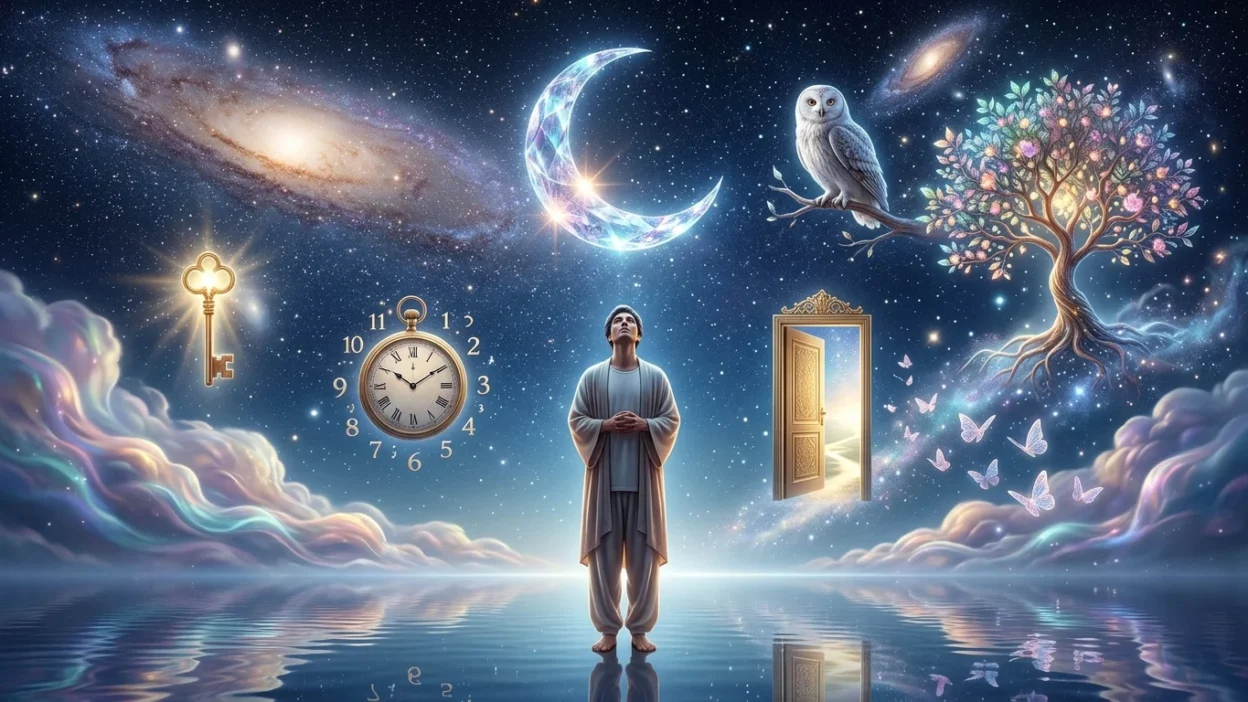
Artists frequently portray dreams through surreal landscapes, floating objects, celestial skies, symbolic animals, glowing light, and imaginative scenes that capture the mystery of the subconscious mind.
Because dreams blur the boundaries between imagination and reality, dream symbolism remains one of the richest themes in literature, painting, sculpture, film, and modern visual art.
Dream Meaning of Dream Symbolism
Dreaming about dreams or becoming aware that you are dreaming often symbolizes self-awareness, reflection, or a desire to understand your inner thoughts more clearly.
Remembering vivid dreams may represent emotional processing or important personal insights.
Recurring dreams often highlight unresolved emotions, habits, or situations that continue to demand attention.
Pleasant dreams may symbolize hope, confidence, creativity, or emotional healing.
Disturbing dreams can reflect stress, anxiety, fear, or unresolved concerns rather than predicting future events.
The emotions, people, places, and symbols within the dream provide the most meaningful clues for its personal interpretation.
Modern Meaning of Dream Symbolism
Today, dream symbolism represents curiosity, emotional awareness, and personal development.
Dreams symbolize the subconscious mind exploring memories and emotions.
They represent creativity, imagination, and problem-solving.
Many people keep dream journals to identify recurring themes and personal insights.
Dream symbolism also encourages mindfulness, self-reflection, and emotional healing.
Modern interpretations generally view dreams as valuable opportunities to better understand thoughts, feelings, relationships, and life experiences.
Frequently Asked Questions
What does dream symbolism mean?
Dream symbolism represents subconscious thoughts, emotions, personal experiences, spiritual reflection, transformation, healing, and self-awareness.
What does dream symbolism represent spiritually?
Spiritually, dream symbolism represents inner wisdom, guidance, personal growth, faith, emotional healing, and spiritual awakening.
Why is dream symbolism important?
Dream symbolism helps people reflect on emotions, understand recurring thoughts, explore personal challenges, and gain greater self-awareness.
Do dreams always have symbolic meanings?
Not always. Some dreams may simply reflect daily experiences, memories, or emotions, while others can contain symbols that encourage personal reflection.
Can dream symbolism represent personal growth?
Yes. Dream symbolism often represents emotional maturity, healing, resilience, wisdom, self-discovery, and positive life changes.
Conclusion
Dream symbolism has remained meaningful across history because it offers a unique way to explore the thoughts, emotions, and experiences that shape our lives. Whether viewed through the lens of psychology, spirituality, religion, or personal reflection, dreams encourage us to look beyond the surface and consider the deeper messages hidden within our subconscious. They remind us that every symbol, emotion, and experience can provide valuable insight into our personal growth and emotional well-being.
Understanding dream symbolism also reveals why dreams continue to inspire curiosity across cultures, literature, art, and science. While no single interpretation applies to every dream, the symbolic language of dreams invites thoughtful reflection and self-discovery. By paying attention to recurring themes, emotions, and personal experiences, individuals can gain a richer understanding of themselves and approach life’s challenges with greater wisdom, balance, and confidence.

Elian Norwick is an SEO content writer who specializes in creating informative, reader-focused articles across a wide range of topics. He enjoys turning detailed research into engaging content that is easy to understand and optimized for search engines. His work emphasizes clarity, accuracy, and long-term value for readers.