Aura symbolism has fascinated people for centuries, representing the invisible energy believed by many spiritual traditions to surround every living being. Often associated with emotions, personal energy, intuition, and spiritual awareness, an aura symbolizes the connection between the mind, body, and spirit. Whether viewed as a spiritual concept or a symbolic representation of one’s inner state, aura symbolism encourages self-discovery, emotional balance, and personal growth.
Today, aura symbolism appears in meditation, holistic wellness, art, literature, and popular culture. It reminds people to cultivate positive energy, strengthen emotional well-being, and live with greater mindfulness, compassion, and authenticity.
Aura Symbolism Meaning (Clear Definition)
Aura symbolism refers to the spiritual, emotional, philosophical, and cultural meanings associated with the aura, an energy field that many traditions believe surrounds living beings. Symbolically, an aura represents inner energy, emotions, intuition, spiritual awareness, and personal identity.
Because the aura is often viewed as reflecting a person’s inner condition, it has become a powerful symbol of balance, healing, wisdom, and transformation.
What Does Aura Symbolism Represent?
Aura symbolism represents many qualities connected with emotional and spiritual well-being.
| Symbolic Meaning | What It Represents |
|---|---|
| Energy | Life force and vitality |
| Inner Peace | Emotional harmony and calmness |
| Spiritual Awareness | Connection with higher consciousness |
| Intuition | Inner guidance and insight |
| Healing | Emotional and spiritual renewal |
| Authenticity | Living according to your true self |
| Protection | Positive spiritual energy |
| Transformation | Personal growth and positive change |
Aura symbolism may also represent:
- Mindfulness
- Compassion
- Wisdom
- Confidence
- Emotional balance
- Self-awareness
- Hope
- Purpose
Spiritual Meaning of Aura Symbolism
Spiritually, aura symbolism represents the energy believed to reflect a person’s thoughts, emotions, and spiritual development. Many traditions teach that cultivating kindness, gratitude, compassion, and mindfulness contributes to a balanced and positive aura.
A bright aura is often symbolically associated with peace, confidence, generosity, and emotional stability, while a weakened or disturbed aura may represent stress, fear, or unresolved emotional challenges. These interpretations are spiritual beliefs rather than scientifically established facts.
Spiritually, aura symbolism may represent:
- Spiritual awakening
- Divine connection
- Inner wisdom
- Healing
- Emotional balance
- Mindfulness
- Personal transformation
For many people, aura symbolism reflects the ongoing journey toward self-awareness, inner harmony, and purposeful living.
Biblical / Religious Meaning of Aura Symbolism
The concept of an aura primarily comes from spiritual, philosophical, and esoteric traditions rather than the Bible. Christianity does not teach the existence of personal auras as a formal doctrine. However, biblical passages sometimes describe radiant light surrounding holy figures as a symbol of God’s glory and divine presence, which differs from modern aura beliefs.
In Hinduism, Buddhism, and certain spiritual traditions, radiant energy around enlightened beings is often used symbolically to represent wisdom, purity, compassion, or spiritual realization.
Across traditions that recognize the concept, aura symbolism generally represents inner light, awareness, and spiritual development.
Aura Symbolism in History and Culture
Ideas resembling aura symbolism have appeared in cultures for thousands of years.
Ancient religious art often portrayed saints, enlightened teachers, and sacred figures surrounded by radiant light or halos to symbolize holiness and wisdom.
Eastern philosophies connected subtle energy with meditation, healing, and spiritual growth.
In modern times, aura symbolism has become popular in holistic wellness, mindfulness practices, and contemporary spirituality.
Today, it commonly represents positive energy, emotional awareness, and the pursuit of inner balance.
Aura Symbolism in Literature and Art
In literature, an aura often symbolizes a person’s presence, influence, mystery, or spiritual depth. Writers may describe someone as having a “warm aura” or a “powerful aura” to express qualities that go beyond physical appearance.
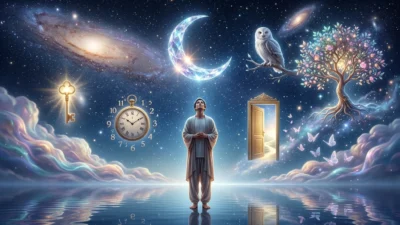
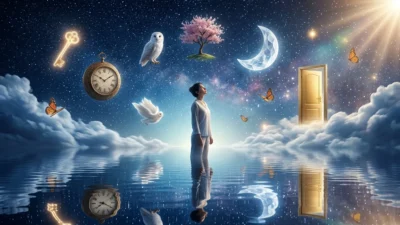
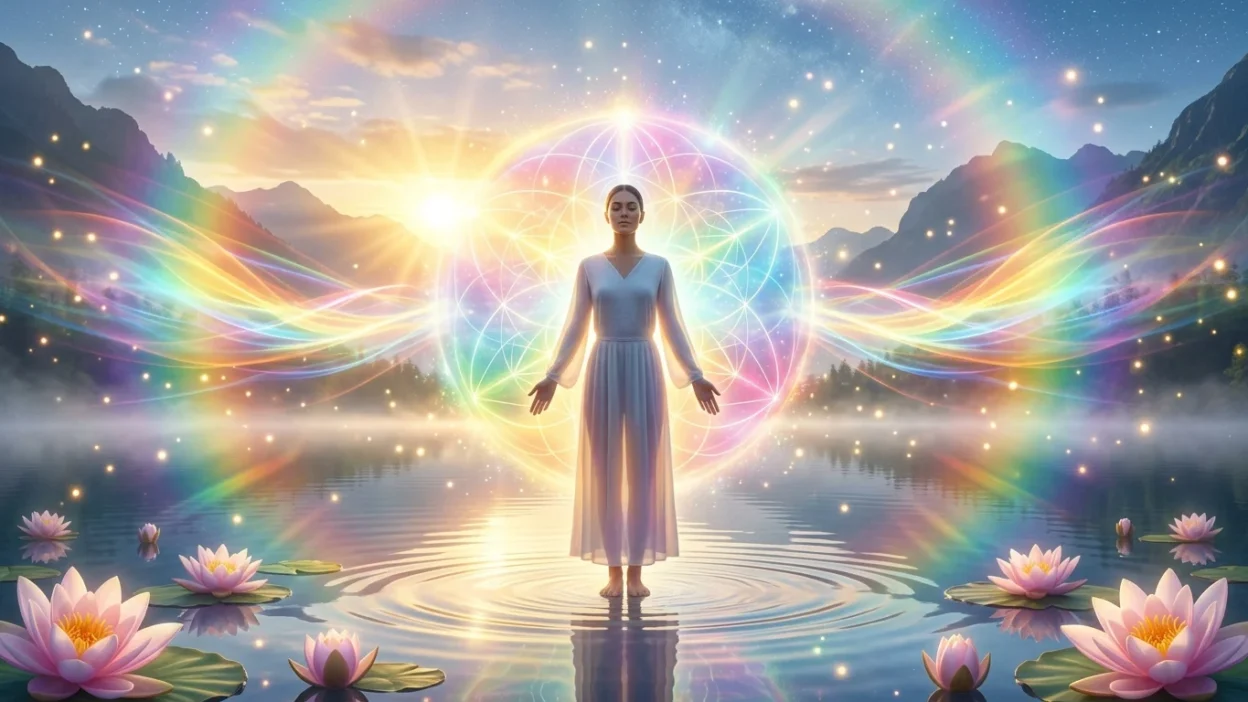
Artists frequently depict colorful energy fields, radiant light, glowing silhouettes, celestial backgrounds, and abstract patterns to represent aura symbolism.
Because an aura symbolizes unseen qualities such as character, emotion, and spiritual awareness, it remains a popular subject in painting, digital art, photography, and modern design.
Dream Meaning of Aura Symbolism
Dreaming about an aura often reflects emotional awareness, intuition, spiritual growth, or personal transformation.
Seeing a bright glowing aura may symbolize confidence, healing, positive energy, or inner peace.
A colorful aura can represent different emotions or stages of personal development depending on the dream’s context.
Seeing another person’s aura may suggest that your subconscious is paying attention to their personality, emotions, or influence in your life.
A fading or dark aura may symbolize emotional exhaustion, stress, or the need for self-care and reflection rather than predicting negative events.
The emotions experienced during the dream provide the most meaningful clues for understanding its personal interpretation.
Modern Meaning of Aura Symbolism
Today, aura symbolism represents mindfulness, emotional wellness, and personal authenticity.
An aura symbolizes positive energy and healthy relationships.
It represents emotional resilience and self-awareness.
Many people explore aura symbolism through meditation, yoga, breathing exercises, and reflective practices.
Aura imagery also symbolizes creativity, compassion, confidence, and spiritual curiosity.
Modern aura symbolism encourages individuals to nurture emotional well-being, develop meaningful connections, and approach life with kindness, balance, and purpose.
Frequently Asked Questions
What does aura symbolism mean?
Aura symbolism represents energy, emotional awareness, intuition, healing, spiritual growth, balance, and personal transformation.
What does an aura symbolize spiritually?
Spiritually, an aura symbolizes inner energy, wisdom, mindfulness, emotional harmony, spiritual awareness, and personal growth.
Why is aura symbolism important?
Aura symbolism encourages self-awareness, emotional balance, compassion, mindfulness, and the pursuit of inner peace and well-being.
What does dreaming about an aura mean?
Dreaming about an aura often represents emotional healing, intuition, spiritual development, self-discovery, or increased personal awareness.
Can aura symbolism represent personal growth?
Yes. Aura symbolism commonly represents emotional maturity, resilience, healing, mindfulness, confidence, and lifelong self-improvement.
Conclusion
Aura symbolism has remained meaningful because it encourages people to reflect on their inner lives rather than focusing only on outward appearances. Whether understood as a spiritual belief or a symbolic way of expressing emotional and personal qualities, the aura reminds us that our thoughts, attitudes, and actions shape how we experience the world and connect with others. It encourages mindfulness, compassion, and a balanced approach to life that supports emotional well-being and personal growth.
Understanding aura symbolism also highlights its lasting influence on spirituality, art, literature, meditation, and modern wellness practices. Throughout history, radiant light has represented wisdom, hope, purity, and transformation across many cultures. Today, aura symbolism continues to inspire people to cultivate positive habits, strengthen self-awareness, and pursue lives guided by kindness, authenticity, and inner peace.

Rowan Ashmere is a digital content writer who creates informative articles designed to answer readers’ questions clearly and effectively. He values accuracy, organization, and producing content that remains useful over time. His work follows modern SEO and editorial best practices.