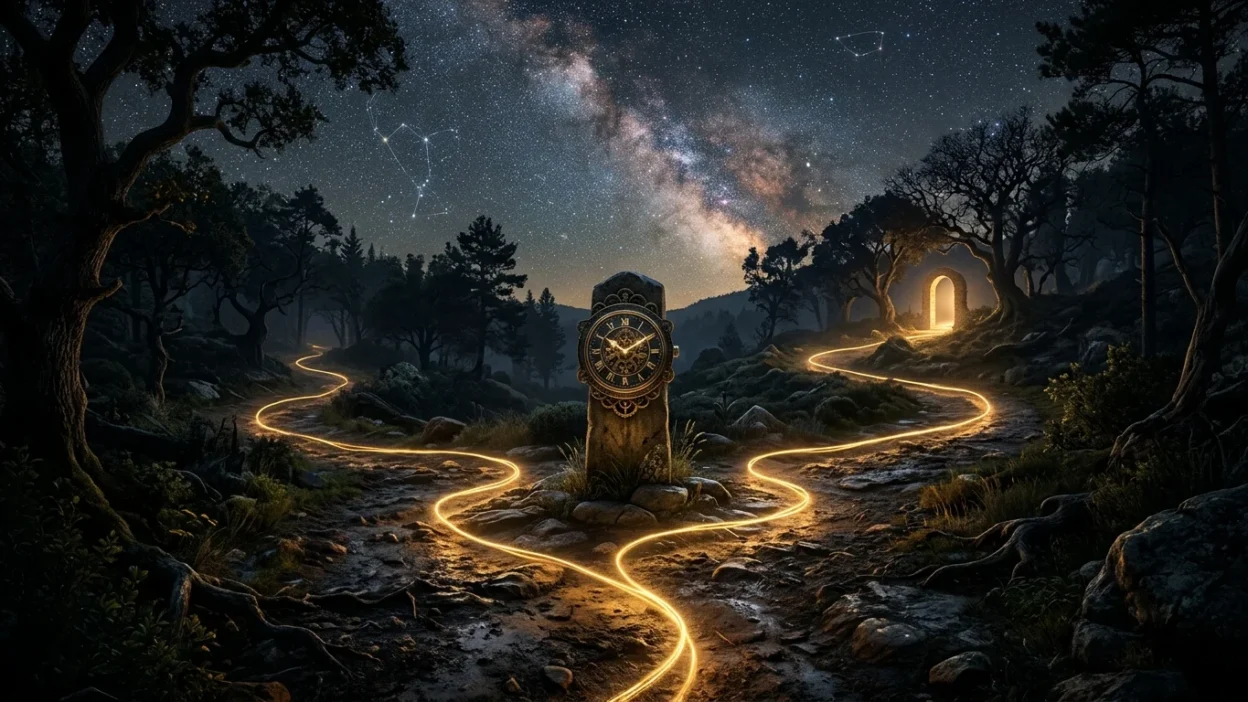
Fate symbolism represents the mysterious forces, choices, events, and circumstances that shape the course of life. Across cultures and centuries, fate has been associated with destiny, inevitability, chance, divine purpose, and the unknown future. Symbols of fate often remind us that some experiences may feel beyond our control while our responses and choices still influence the journey.
Today, fate symbolism appears in mythology, literature, art, dreams, religion, astrology, jewelry, tattoos, and popular culture. It continues to inspire questions about destiny, free will, timing, and whether certain events are meant to happen.
Fate Symbolism Meaning (Clear Definition)
Fate symbolism refers to objects, figures, events, and images that represent destiny, predetermined outcomes, life paths, or forces beyond human control.
Fate can symbolize the unknown direction of life, significant turning points, unavoidable change, or the belief that certain experiences have a deeper purpose.
What Does Fate Symbolism Represent?
Fate symbolism can represent several powerful ideas about the human journey.
| Symbolic Meaning | What It Represents |
|---|---|
| Destiny | A perceived path or life direction |
| Inevitability | Events that seem impossible to avoid |
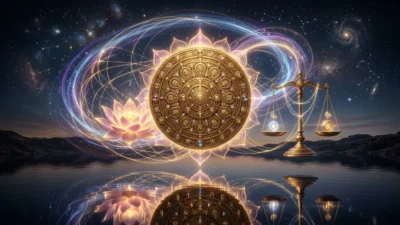
| Choice | Decisions that influence life’s direction |
| Timing | Events occurring at significant moments |
| Mystery | The unknown nature of the future |
| Transformation | Major changes in life’s journey |
| Connection | Events or people that seem meant to meet |
| Acceptance | Learning to live with uncertainty |
Fate symbolism may also represent:
- Free will
- Purpose
- Chance
- Change
- Hope
- Intuition
- Life lessons
- New beginnings
Spiritual Meaning of Fate Symbolism
Spiritually, fate symbolism often represents divine timing, life purpose, personal lessons, and trust in the journey. Some spiritual traditions view certain experiences as meaningful parts of a person’s path.
Fate can symbolize the belief that even unexpected events may contribute to personal growth and greater understanding.
Spiritually, fate symbolism may represent:
- Divine timing
- Life purpose
- Spiritual growth
- Trust
- Acceptance
- Transformation
- Guidance
- Inner wisdom
For many people, fate symbolism encourages acceptance without suggesting that personal choices are meaningless.
Biblical / Religious Meaning of Fate Symbolism
The concept of fate differs significantly from religious ideas about divine providence.
In Christianity, for example, Scripture emphasizes God’s sovereignty and providence while also presenting human beings as responsible for their choices. The Bible does not generally teach fate as an impersonal force controlling every event.
Other religions and philosophical traditions have their own understandings of destiny, karma, divine will, and human responsibility.
Because of these differences, fate symbolism can represent divine purpose, destiny, or uncertainty depending on the religious and cultural context.
Fate Symbolism in History and Culture
Fate has been an important theme in mythology for thousands of years.
Ancient Greek mythology famously portrayed the Moirai, or Fates, as figures connected with the course of human life.
Norse mythology also included the Norns, who were associated with destiny and the unfolding of events.
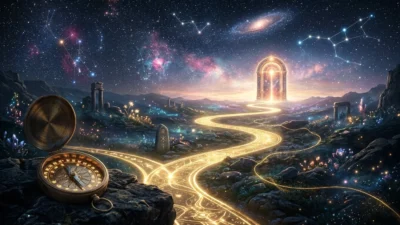
Across cultures, symbols such as threads, spinning wheels, crossroads, clocks, stars, and paths have been used to represent destiny and life’s direction.
These traditions demonstrate humanity’s enduring fascination with the question of whether our lives are predetermined or shaped through choice.
Fate Symbolism in Literature and Art
Fate is one of the most powerful themes in literature.
Stories frequently explore characters who appear destined for particular events, only to struggle against, accept, or redefine their circumstances.
Threads and woven patterns often symbolize interconnected lives and events.
Crossroads symbolize important decisions and possible futures.
Clocks can represent time and the inevitability of change.
Stars and celestial imagery often symbolize destiny, guidance, and the mysteries of the future.
Through these symbols, artists and writers explore the tension between fate and free will.
Dream Meaning of Fate Symbolism
Dreaming about fate may reflect uncertainty, major life decisions, relationships, or a feeling that something important is changing.
Seeing a crossroads in a dream may symbolize an important decision or multiple possible paths.
Following a mysterious path can represent uncertainty about the future or a willingness to explore something new.
Seeing a clock may symbolize timing, urgency, or awareness of a significant stage in life.
Meeting someone who feels strangely familiar may represent emotional connection, unresolved feelings, or the sense that a relationship carries special significance.
A dream about destiny does not necessarily predict the future. It may simply reflect your thoughts and emotions about life’s direction.
Modern Meaning of Fate Symbolism
Today, fate symbolism is often used to express meaningful coincidences, unexpected relationships, major turning points, and life-changing experiences.
People may describe an unexpected meeting as “meant to be” or view a surprising opportunity as part of their journey.
Fate-inspired tattoos and jewelry often symbolize destiny, personal transformation, important relationships, or trust in life’s path.
Modern interpretations increasingly combine fate with personal choice, suggesting that circumstances may influence us while our decisions determine how we respond.
Frequently Asked Questions
What does fate symbolism mean?
Fate symbolism represents destiny, life direction, inevitability, timing, mystery, transformation, and the relationship between circumstances and personal choice.
What does fate symbolize spiritually?
Spiritually, fate can symbolize divine timing, life purpose, spiritual lessons, acceptance, guidance, trust, and personal transformation.
What are common symbols of fate?
Common fate symbols include threads, crossroads, clocks, spinning wheels, stars, paths, doors, and celestial imagery.
What does dreaming about fate mean?
Dreaming about fate often reflects uncertainty, major decisions, meaningful relationships, life transitions, or thoughts about the future.
Is fate the same as destiny?
The two concepts are closely related and are often used interchangeably. Fate generally emphasizes events perceived as unavoidable, while destiny can suggest a future direction or purpose.
Conclusion
Fate symbolism has endured because it explores one of humanity’s deepest questions: how much of our lives is determined, and how much can we shape ourselves? Through threads, crossroads, stars, clocks, paths, and other powerful images, fate represents destiny, uncertainty, timing, transformation, and the mysterious forces that influence our experiences.
Yet fate does not have to mean surrendering control. Its deeper symbolism can remind us to accept what we cannot change while taking responsibility for what we can influence. Life may present unexpected circumstances, but our choices, attitudes, courage, and actions still matter. Ultimately, fate symbolism encourages us to move through uncertainty with awareness, trust, and purpose while remaining open to the possibilities that each new path can bring.