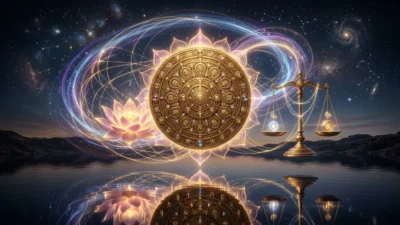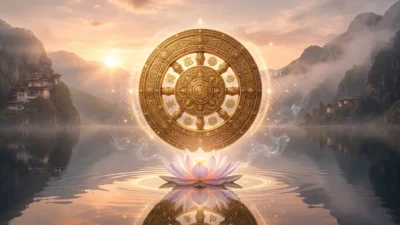
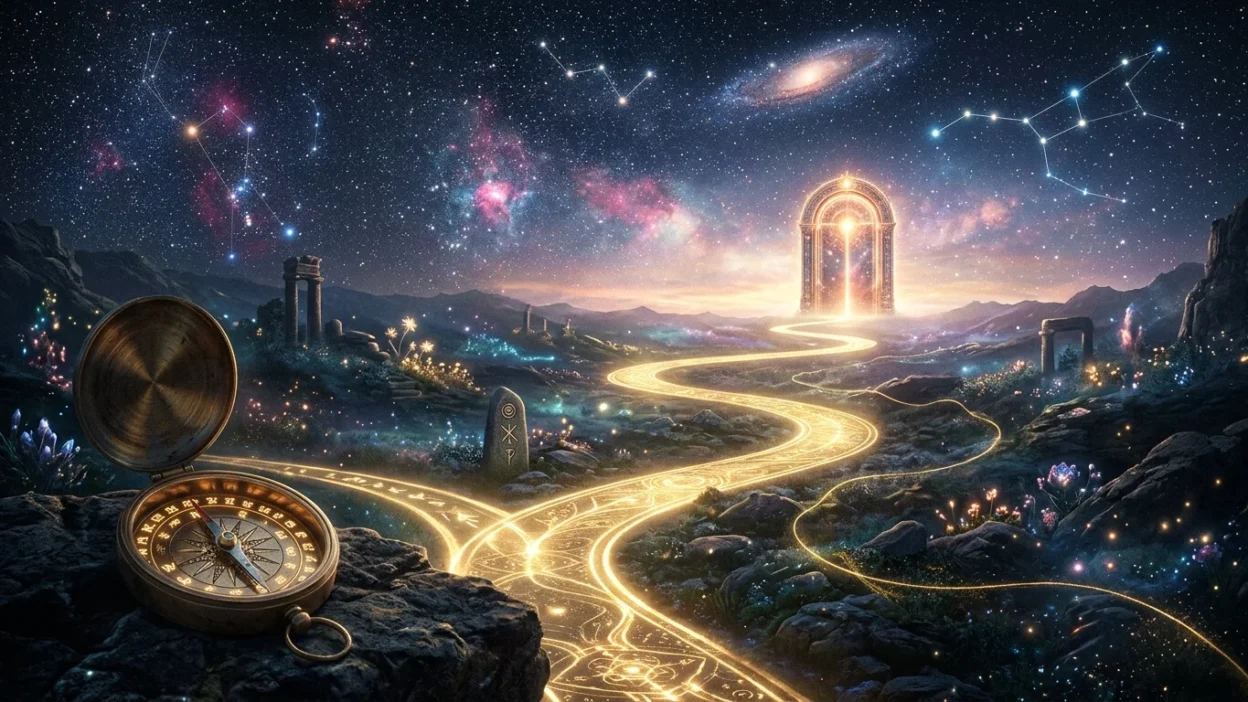
Destiny symbolism represents the idea of a meaningful life path, purpose, transformation, and events that seem connected to a greater direction. Across cultures, destiny has been associated with fate, divine timing, personal purpose, important relationships, and the mysterious unfolding of the future. Symbols of destiny often encourage us to consider whether certain experiences happen by chance or form part of a larger journey.
Today, destiny symbolism appears in mythology, literature, art, dreams, spirituality, astrology, jewelry, tattoos, and popular culture. Its enduring appeal comes from the human desire to understand where life is leading and whether our experiences have a deeper meaning.
Destiny Symbolism Meaning (Clear Definition)
Destiny symbolism refers to objects, images, signs, and ideas that represent a person’s life path, purpose, future direction, or significant experiences.
Unlike symbols of simple luck, destiny symbolism often suggests that events or relationships have a deeper connection to a person’s journey. It can represent purpose, transformation, meaningful timing, and the choices that shape the future.
What Does Destiny Symbolism Represent?
Destiny symbolism can represent several powerful ideas.
| Symbolic Meaning | What It Represents |
|---|---|
| Life Purpose | A meaningful direction or calling |
| Life Path | The journey and experiences that shape you |
| Transformation | Major changes and personal development |
| Divine Timing | Events occurring at significant moments |
| Connection | Relationships that feel deeply meaningful |
| Choice | Decisions that influence the future |
| Hope | Trust in a meaningful future |
| Growth | Learning through important experiences |
Destiny symbolism may also represent:
- Intuition
- Purpose
- Courage
- Change
- Self-discovery
- Relationships
- Spiritual growth
- New beginnings
Spiritual Meaning of Destiny Symbolism
Spiritually, destiny symbolism often represents purpose, divine timing, guidance, and personal transformation. Some people believe that certain experiences arrive at meaningful moments to teach important lessons or encourage growth.
Destiny can symbolize trust in life’s journey while still recognizing the importance of personal choices.
Spiritually, destiny symbolism may represent:
- Life purpose
- Divine timing
- Spiritual growth
- Inner guidance
- Transformation
- Faith
- Acceptance
- Personal awakening
The deeper message is often that life can have meaning even when the final destination is not yet clear.
Biblical / Religious Meaning of Destiny Symbolism
Religious views of destiny vary considerably. In Christianity, ideas about God’s purpose, providence, and human responsibility are often discussed together. Biblical teachings emphasize God’s sovereignty while also holding people accountable for their choices and actions.
Other religious traditions have their own concepts of destiny, divine purpose, karma, or a predetermined life path.
Because of these differences, destiny symbolism can represent divine purpose, spiritual calling, or the unfolding of life according to a higher order.
Destiny Symbolism in History and Culture
Destiny has been an important theme in mythology and culture for thousands of years.
Ancient Greek mythology included the Moirai, figures associated with the thread of human life and destiny.
Norse mythology featured the Norns, who were connected with the unfolding of fate.
Across cultures, threads, roads, crossroads, stars, wheels, clocks, doors, and celestial patterns have been used to symbolize destiny.
These symbols reflect humanity’s enduring fascination with whether life follows a predetermined path or develops through a combination of circumstances and personal choices.
Destiny Symbolism in Literature and Art
Destiny is one of the most powerful themes in literature.
Stories often feature characters who encounter events, relationships, or challenges that appear to lead them toward an inevitable purpose.
A road or path can symbolize a person’s life journey.
A crossroads can represent an important decision.
A thread can symbolize connections between people and events.
Stars can represent guidance and a future that seems written beyond human understanding.
In art, these symbols create a sense of mystery and encourage viewers to consider their own relationship with purpose and possibility.
Dream Meaning of Destiny Symbolism
Dreaming about destiny often reflects thoughts about your future, purpose, relationships, or major changes in life.
Seeing a long road may symbolize your personal journey and uncertainty about where it will lead.
Standing at a crossroads can represent an important decision or two different possibilities.
Seeing stars may symbolize hope, guidance, ambition, or a desire for direction.
Meeting someone who feels strangely familiar may represent a meaningful emotional connection or the feeling that a relationship has an important role in your life.
A mysterious door can symbolize an opportunity, new chapter, or unknown future.
Dreams about destiny do not necessarily predict future events. They can simply reflect your hopes, fears, choices, and thoughts about where your life is heading.
Modern Meaning of Destiny Symbolism
Today, destiny symbolism is commonly associated with purpose, meaningful relationships, personal transformation, and life-changing experiences.
People may describe an unexpected meeting as “meant to happen” or view an unusual opportunity as part of their journey.
Destiny-inspired tattoos and jewelry often symbolize personal purpose, important relationships, major life transitions, or trust in one’s path.
Modern interpretations increasingly combine destiny with personal responsibility. A person may believe that circumstances create opportunities while recognizing that choices determine how those opportunities are used.
Frequently Asked Questions
What does destiny symbolism mean?
Destiny symbolism represents life purpose, meaningful experiences, transformation, divine timing, relationships, personal choices, and the direction of one’s journey.
What does destiny symbolize spiritually?
Spiritually, destiny can symbolize divine purpose, spiritual growth, guidance, faith, transformation, meaningful timing, and trust in life’s journey.
What are common symbols of destiny?
Common symbols of destiny include paths, crossroads, threads, stars, clocks, doors, wheels, roads, and celestial imagery.
What does dreaming about destiny mean?
Dreaming about destiny often reflects thoughts about your future, life purpose, important decisions, relationships, or major personal changes.
Is destiny the same as fate?
Destiny and fate are closely related, but destiny often suggests a meaningful future direction or purpose, while fate can emphasize events believed to be unavoidable.
Conclusion
Destiny symbolism continues to fascinate people because it speaks to the universal desire to understand life’s direction and purpose. Through paths, stars, threads, crossroads, doors, and other powerful symbols, destiny represents meaningful experiences, transformation, relationships, timing, and the possibilities that lie ahead. It encourages us to look at life’s unexpected moments with curiosity rather than immediately dismissing them as meaningless coincidences.
At the same time, destiny does not have to mean that every part of life is predetermined. Its deeper symbolism can exist alongside personal choice, reminding us that circumstances may open doors while our decisions determine whether we walk through them. Ultimately, destiny symbolism encourages hope, self-discovery, courage, and trust in the journey while remaining willing to create meaning through our own choices and actions.

Hazel Evermont is an SEO copywriter who enjoys creating engaging online content that is both informative and easy to navigate. She focuses on delivering articles that prioritize user experience while following current search optimization standards. Her writing style is clear, concise, and reader-friendly.